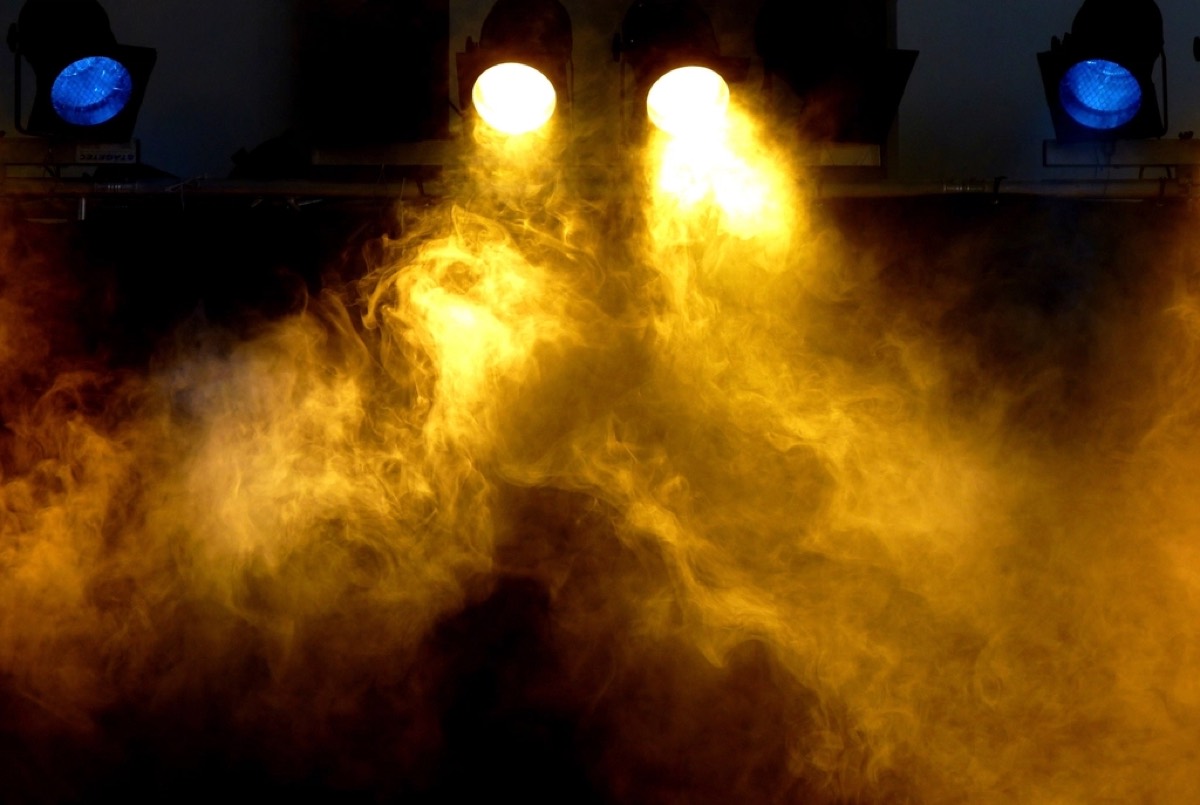
House lights down, smoke up: the minute before the first song
74
Paste a channel, a playlist or a handful of video links, choose which videos publish, style the wall in a design studio with 40 layouts and 16 themes, and paste one snippet into any site builder. No Google sign-in at any point. Every card is a still and a play button until a visitor presses it, which is the difference between putting videos on your page and putting YouTube on your page.
7-day full trial, no credit card. The free plan stays free.



The Sallowford Rooms is a venue we invented for these mockups, at an invented address (9 Sallowford Row, Wrenmoor). The titles are ours too. The card shape, the crop, the play button and the badge are the widget's.
The question that decides this is whether it will look right on your site, and answering it should not cost you an email address. Switch layouts, try themes, turn captions, dates, avatars and badges on and off, and watch the same videos restyle as you click.
House lights down, smoke up: the minute before the first song
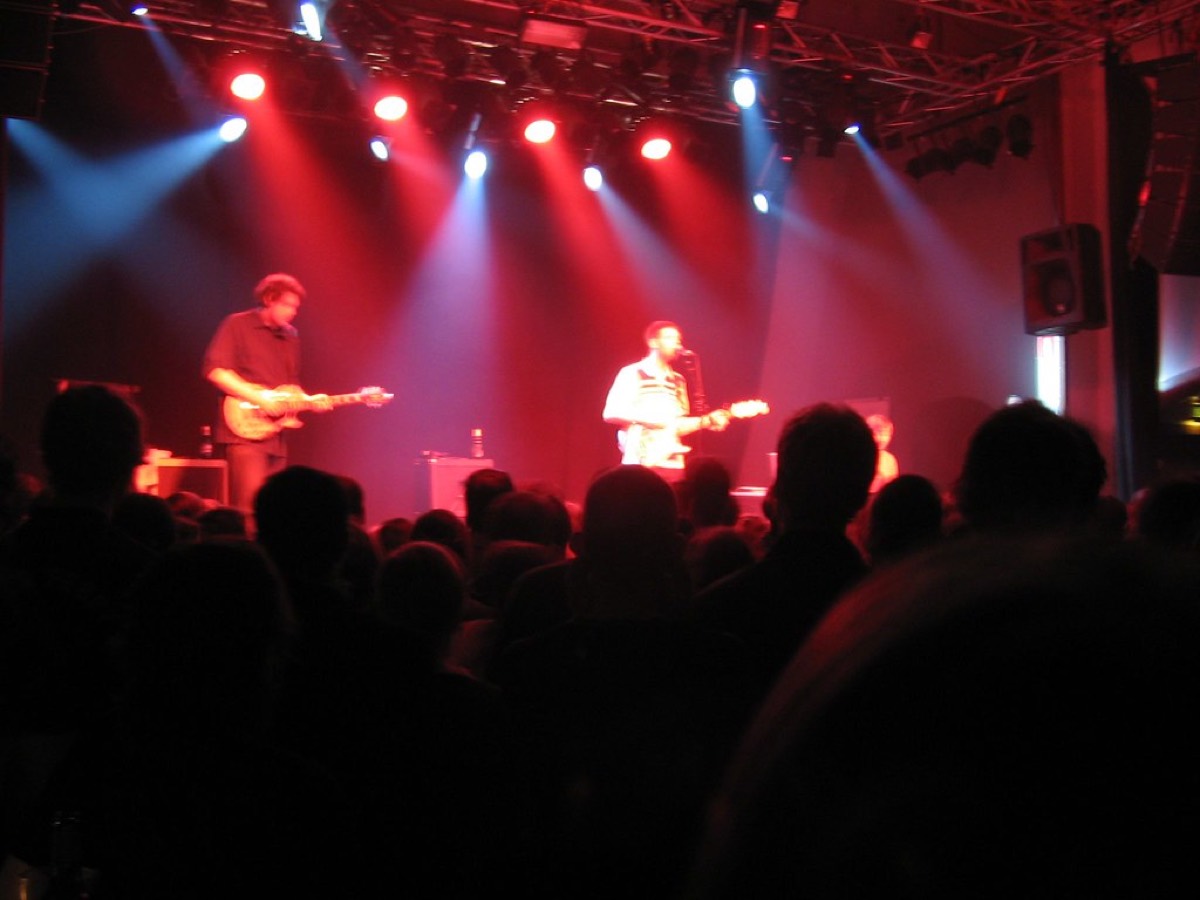
Full room, last song of the night
Front row, second set, no cuts
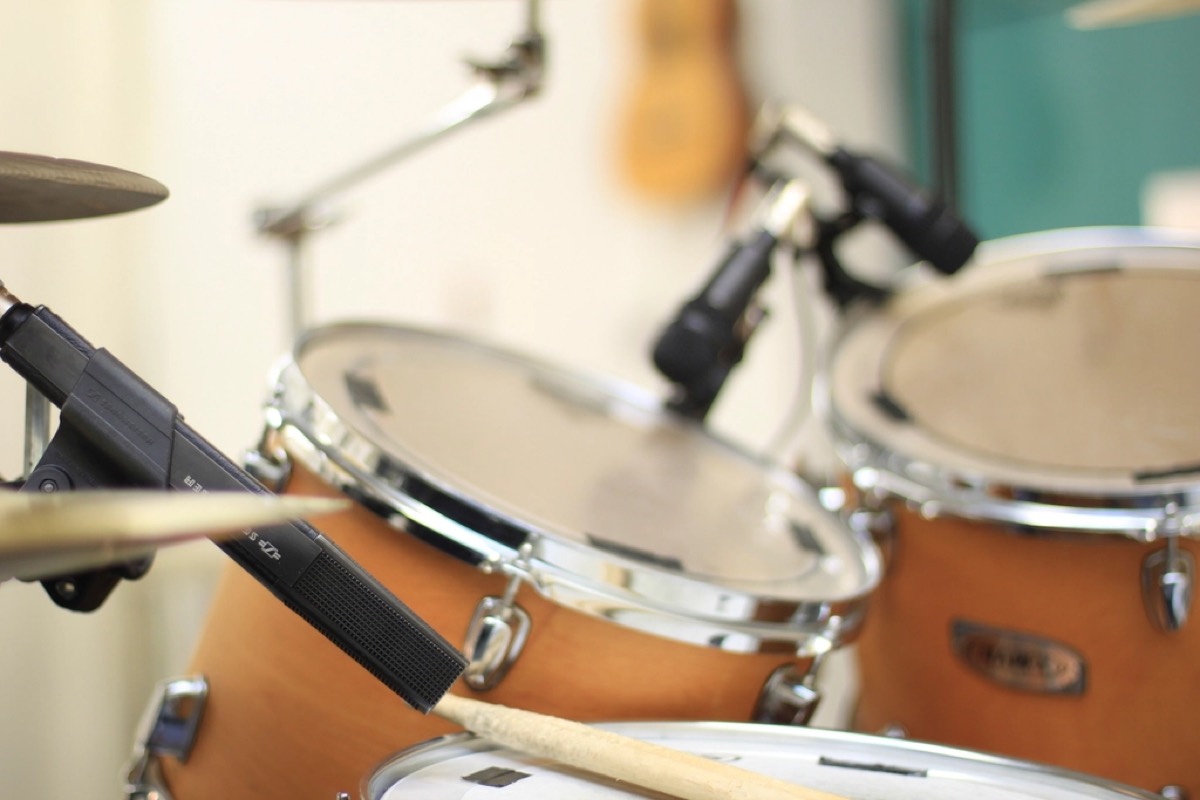
Soundcheck: one microphone, no audience

Backlit: the whole support set in silhouette

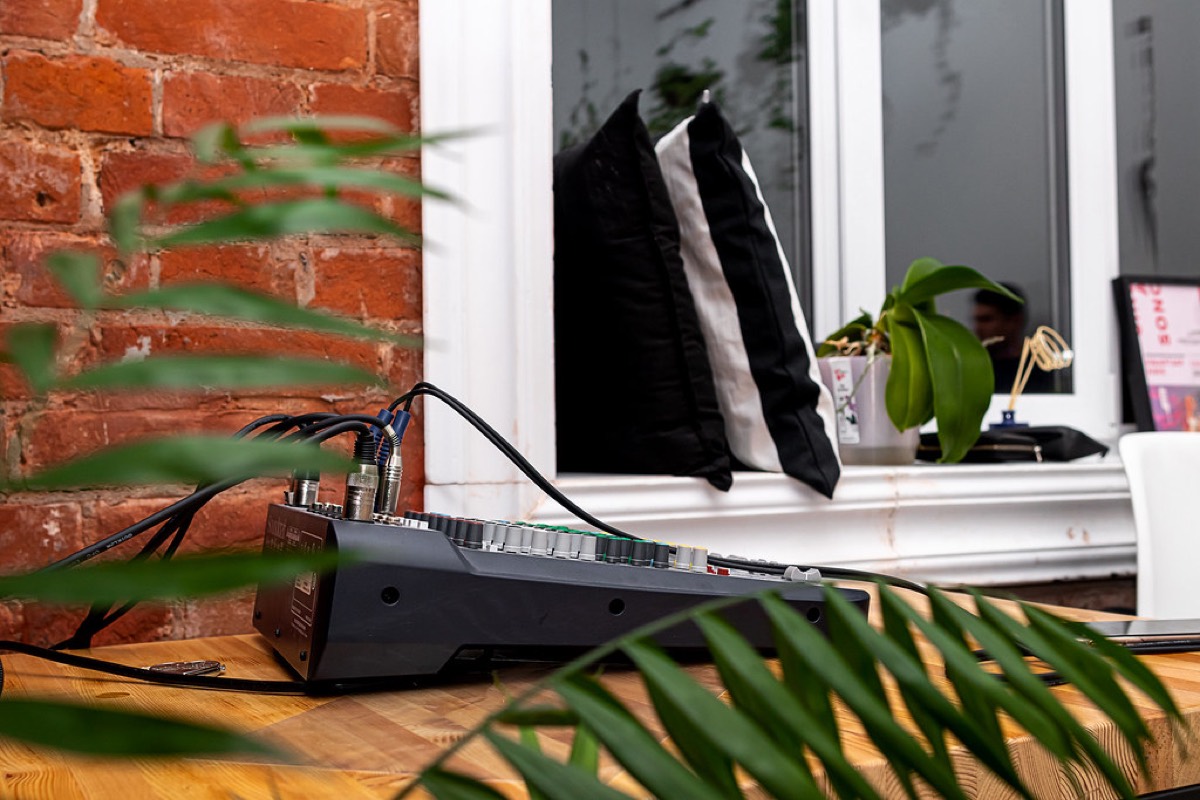
Rig test, Thursday afternoon
Grid. Even rows, every post the same size. The safe default for a page section.
Build this with your own feedA preview, not the live renderer. The theme colours are read from the product’s own theme definitions and every layout name is a real one, but the shapes here are drawn for this page, because the widget renderer lives inside a Deno edge function that a Next app cannot import. The studio itself carries 40 layouts and 16 themes, a theme builder on every plan, and renders the actual widget as you edit. The Sallowford Rooms is a venue we invented for these mockups, the video titles and the counts under them are ours, and the photographs are CC0 stand-ins.
A channel, a playlist, or a list of videos you picked by hand. Which one you want depends entirely on whether the page should keep changing under you, and two of the three are built so that it does.
One video featured, the next few queued beside it, and the rest on a shelf underneath. Every frame is 16:9 because every video is, and the whole section is your markup on your domain rather than a box that came from somewhere else.





A YouTube embed is a player, and a player starts working the moment your page loads, whether or not anybody watches anything. A card in this widget is a still image and a play button drawn in our own stylesheet. The player does not exist until a visitor asks for it, and then it opens in a modal.
Soundcheck: one microphone, no audienceCounted in the embed frame on first load, video untouched, in a brand new browser profile with no extensions. Chrome 150 on macOS, 6 August 2026. Our own test, with the screenshots and the cookie names published in the guide.
40 layouts and 16 themes, with a theme builder that is free on every plan and toggles for titles, dates, avatars and badges. Three of the layouts are below. Switch between them and watch the same videos rearrange, which this page does without running a single line of JavaScript.
Three of the 40 layouts, drawn to scale on the invented venue's videos. Grid and carousel are two of the 7 on the free plan; the playlist player is one of the paid ones. All 16 themes work with any of them, on every plan. Switching panels here runs no JavaScript at all.
Most platforms here refresh on a timer. YouTube refreshes when a widget is actually loaded: if the cache window for that channel has passed, the visit kicks off a background refresh and the new upload is on the page from the next load. Your plan sets the window.
Four steps, in the order you meet them, each shown with what it actually produces. None of them needs a developer and none of them asks you to sign in to Google.
Create a feed, add YouTube as a source, and paste whatever you have: the channel URL, an @handle, a playlist link, or a link to one video. The resolver reads the URL rather than searching for it, so it does not matter which of those you had to hand.
A playlist link resolves to that playlist instead, and a video link resolves to the channel that owns it.
Every video that comes in waits as a card. Approve it, pin it to the front, or drop it. A venue with three years of uploads almost never wants all of them on the homepage, and this is where that gets decided.
Approve, pin or remove. Keyword rules can screen what arrives before you see it.
Pick from 40 layouts and 16 themes, turn titles, dates and avatars on or off, and build your own theme if none of the 16 is yours. The preview renders the real widget, not an approximation of it.
Real layout and theme names, from the same registry the studio reads.
Copy the snippet for wherever the feed is going and paste it once. It never changes as your uploads do. The dialog changes the snippet shape by host, because some builders sandbox custom scripts and others strip them.
<link rel="preload" as="fetch">
<div id="collectsocials-..."></div>
<script src=".../widget"
  data-feed-id="..." defer>
</script>
The real snippet, abridged. Your own ids are filled in when you copy it.
A script tag is not universally installable: some builders sandbox custom code, others strip it. So the embed dialog asks where you are installing and hands out the right snippet for that host.
One script tag and one container div. The widget mounts in your page and renders inside a Shadow DOM, so its CSS and yours cannot interfere.
The same script with a page-width wrapper, because Shopify themes lay sections out with flexbox and would otherwise compress the container.
Both sandbox or strip custom scripts, so these get an iframe that resizes itself as content loads. No clipped video walls, no scrollbars.
Builders that cannot run scripts at all take a fixed-height frame by URL. Content scrolls inside it.
Booked the sunrise trip on the strength of the photos and it was better than the pictures. The guides knew exactly where to be and when.
 YouTube
Three days on the ridge trail, start to finish
 TikTok
The swings go right out over the water
Sunrise crew made the ridge before the storm broke. Whole set is up on the site now.
Lagoon day. Six boats out, nobody tipped in, and the water stayed that colour the whole afternoon.

Second trip with them this year. Everything ran on time and the small group size is the whole point.
 Instagram
Found the yellow wall. Obviously we danced at it.
 Instagram
Made the crest just before the sun did.
 Instagram
Up before the balloons were.
End of the festival, and they let the whole lot go at once. Nobody said a word for about ten seconds.

A demo feed for an invented brand, showing 6 of the 10 live sources in one wall. The posts, reviewers and engagement numbers are illustrative, not product metrics. Every field on these cards is one the widget really renders, but the wall itself is drawn for this page rather than served by the widget.
It is on the free plan, with the same three source shapes everyone else gets. What you pay for is layouts, sources, and how quickly a new upload turns up.
An embeddable section that pulls videos from a YouTube channel, a playlist or a list you choose, and lays them out on your own page as cards a visitor can play. It is not the same as YouTube’s own embed code, which gives you one fixed video or one fixed playlist inside YouTube’s player and never changes on its own. A feed points at a source, so the section keeps up as you upload. We walked every native option first and published the results.
Either, plus a third option. A channel source shows every upload, newest first. A playlist source shows one playlist. A custom source shows exactly the videos whose links you pasted, in that order, and never adds anything on its own. Those three are the whole list: there is no YouTube hashtag or keyword search in this product, and we would rather say so here than let you discover it after signing up.
No to both. A YouTube source reads public data through the YouTube Data API with our own key, so there is no Google login, no OAuth screen and no ownership check anywhere in the flow. Paste a link to any public channel or playlist and it imports. That also means an agency can set a feed up on a client’s behalf without asking anyone for a password.
A video card is a still image and a play button drawn by our stylesheet. There is no YouTube player on the page until a visitor clicks one, at which point a modal opens and the player loads inside it. That is the whole design: the visitor decides when YouTube gets involved. We deliberately publish no speed-score leaderboards, because a widget’s score depends on where it sits on the page and what the feed contains, and we explain the reasoning and the trade-offs in the guide.
We measured it rather than guessing. A standard youtube.com embed writes five .youtube.com cookies and three .google.com cookies on first load, before anyone presses play; the privacy-enhanced embed drops all five YouTube ones and keeps the same three Google ones. Because our cards carry no player until a click, a visitor who never plays a video never loads the frame that writes them. Once they do click, they get YouTube’s player, which is what they asked for. The full test, with the cookie names and the screenshots, is published.
YouTube is the one source we refresh when a widget is actually viewed rather than on a timer, so a page nobody visits costs nobody anything. Each channel or playlist carries a cache window set by your plan: 24 hours on free, 60 minutes on Pro, and 15 minutes on Business and above. Once the window is past, the next visitor’s page load triggers the refresh in the background and the new video is there on the load after. Custom video lists never refresh, on purpose.
Completely, and on every plan. Every video that comes in waits in a moderation view with approve, pin and remove controls, you can edit the text inline, and keyword rules can screen what arrives before you ever see it. A channel with years of uploads behind it almost never wants all of them on a homepage, so pinning three and dropping the rest is the normal way to use this.
WordPress, Shopify, Wix, Squarespace, Webflow, Notion, Google Sites, plain HTML and React. The embed dialog asks where the widget is going and hands out the right snippet for that host, because some builders sandbox custom scripts and others strip them. WordPress can skip the code entirely with our plugin.
Yes. YouTube is not a paid add-on: it is on the free plan along with every other platform except X (Twitter), which is premium for one reason, which is that X charges for API access. The free plan includes 7 of the 40 layouts, all 16 themes and the theme builder, and full moderation. The 7-day trial opens the full design studio with no credit card.
Yes. One feed can combine 10 platforms, so a session video can sit beside an Instagram photo, a Facebook post and a Google review in the same section. For a venue or a studio that is usually the point: the video shows the room and the review says it was worth the ticket.
Paste a channel link, pick what publishes, choose a layout, paste one snippet. No Google login at any point, and the 7-day trial asks for no card.
Works with WordPress, Shopify, Wix, Squarespace, Webflow, Notion and plain HTML.